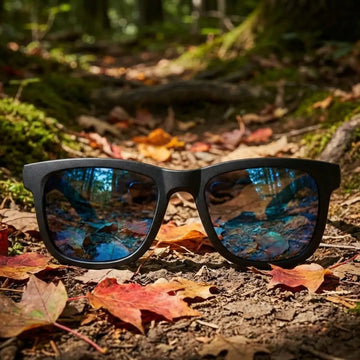
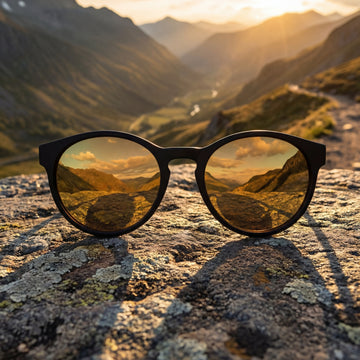
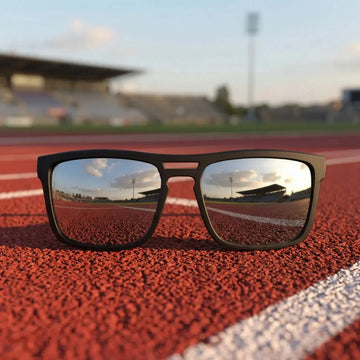
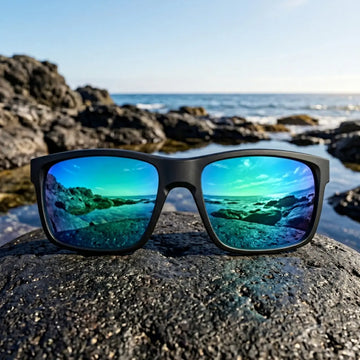
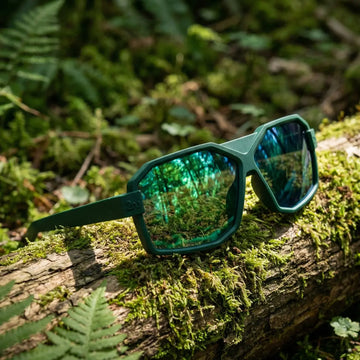
Cloudy running does not automatically remove ultraviolet exposure. Check the latest UV index, then choose running sunglasses with a clear UV400 protection claim, stable sweat-ready fit and enough lens clarity for shade, open road and changing light. Start with the 2nu running sunglasses collection and match the lens and frame to your route.
A grey sky can make a run feel less bright, but visible brightness and ultraviolet exposure are different things. Clouds may soften the light, while broken cloud and reflected light can still make outdoor vision change quickly. The useful question is not whether the sky looks sunny; it is whether your route, the latest UV index and your eyewear are working together.
For a practical cloudy-day running check, separate three decisions: UV protection, visible-light comfort and frame stability. Lens darkness only describes part of the visible-light experience. It does not, by itself, tell you how much UV a lens filters or whether the frame will stay comfortable once you warm up and sweat.
Cloud cover is not a reliable UV shortcut
The Hong Kong Observatory's guidance on UV-protection myths explains that thin cloud can still allow a large amount of solar UV through, and that broken cloud can sometimes reflect UV. For runners, the practical takeaway is simple: do not use a cloudy-looking sky as a reason to skip eye protection or to assume the light is harmless.
Before a run, check the latest local UV index information when the route and exposure make it relevant. Then use the product's UV-protection statement as a separate buying check. A lens can feel comfortable in low visible light while still needing a clear, trustworthy protection claim.
UV400, lens tint and glare are different jobs
UV400 protection, visible tint and glare control should not be treated as the same feature. UV400 is the protection baseline to look for in outdoor eyewear. Tint changes how bright the scene feels. Polarization can reduce certain reflections, but it can also affect how some screens appear at different angles.
If your run includes waterfront paths, wet pavement, open roads or frequent watch checks, compare these trade-offs in the 2nu Lens Difference guide. Choose for the route you actually run: a very dark lens is not automatically the best lens for a route that repeatedly moves between open light and tree shade.
Choose enough visible detail for shade and open road
Cloudy runs often move through several visual conditions. One section may be evenly grey, the next may sit under trees, and the next may open onto pale concrete, wet ground or a bright waterfront. The goal is not to make every section look identical. It is to keep useful detail visible while reducing uncomfortable brightness.
- Tree shade: check that roots, kerbs, steps and surface changes remain easy to distinguish.
- Open road: notice whether the lens remains comfortable when a cloud break brightens the route.
- Wet or pale ground: watch for reflections that interrupt your view of the next foothold.
- Watch and phone checks: confirm that the screen remains usable for the way you run and navigate.
If the same outdoor plan includes a trail section rather than only road running, compare the 2nu hiking sunglasses collection as a contrast. The same principle applies in Hong Kong: visibility comfort is a route decision, not a contest to find the darkest lens.
Fit still matters when the sky is grey
Cloud cover changes light, not movement. Running sunglasses still need to stay in position when you turn your head, look down, change pace and build up sweat. A frame that feels stable for two minutes indoors may move once the nose bridge is damp or the route becomes more active.
Check the relationship between nose contact, frame width, temple position and weight distribution. The frame should feel secure without relying on excessive pressure. If you keep pushing the sunglasses back up, the problem is usually fit or contact rather than a lack of willpower.
Use a short pre-run cloudy-light checklist
Before leaving, run through four quick checks:
- Check the latest UV index when the route includes extended outdoor exposure.
- Confirm a clear UV400 protection statement instead of judging by tint depth.
- Look at the route: open roads, trees, wet surfaces and bright reflections may all appear in one run.
- Wear the frame for several minutes, look down and turn your head to check stability before you start.
When you are ready to compare complete frame and lens options, browse 2nu outdoor performance sunglasses. The practical choice is the one that combines clear protection information, usable detail and stable comfort for the route ahead.
FAQ: cloudy-day running sunglasses
Do I need sunglasses for a cloudy run?
Cloud cover does not automatically remove ultraviolet exposure. Check the latest UV index and choose eyewear with a clear protection claim when the route and exposure make eye protection appropriate.
Does a darker lens protect better from UV?
Not automatically. Lens darkness changes visible brightness but does not, by itself, prove stronger UV protection. Check the product's UV-protection information separately from tint and glare behaviour.
Should I choose a very dark lens for changing weather?
Not necessarily. A route that moves between open light and tree shade may need a balance between glare comfort and useful detail. Choose for the actual route, pace and screen-check needs.
Why do running sunglasses slip even when it is cloudy?
Cloud cover does not stop sweat or movement. Slipping can come from nose contact, frame width, temple pressure or weight distribution. Check stability after warming up, not only during a short stationary try-on.