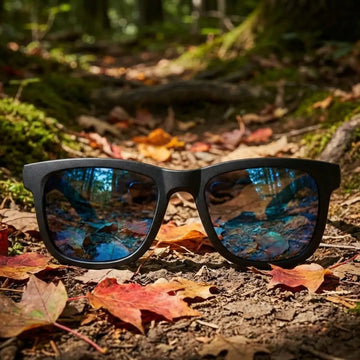
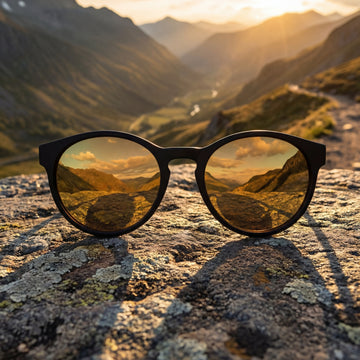
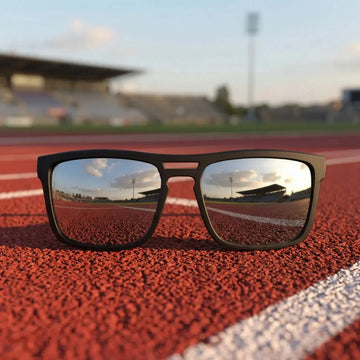
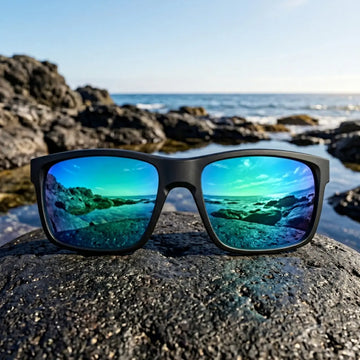
East Asian golfer wearing black 2nu sunglasses with green mirrored lenses for the Cycling and Golf sunglasses guide.

Your activity match

Fast road miles and quiet fairway detail need different movement, but the same clear lens logic.

Cycling demands wind coverage, stable fit, and GPS checks; golf needs ball tracking, ground contour, and long-round comfort. Hexachroma combines screen use with flagship detail, while TVO Pro prioritises stronger glare.

  • Cycling
  • Golf
Shop your strongest matches

The four issues that matter most across your two activities

We selected two high-priority issues from each activity. Open any card to see how 2nu addresses it.

01

Wind and movement shift the frame

Speed, shoulder checks and rough surfaces can make a loose frame move. Over-tightening it can create pressure instead of stable support.

How 2nu solves it

Choose stability for the exact frame

Use the product callout’s frame-coverage and head-fit information to compare the complete frame. FlexFoam™ models can be adjusted by hand, then worn for about five minutes while FlexLock™ spreads support around the head. Venti Air prioritises an ultra-light open sport-frame fit.

02

Green and brown ground detail merges together

Fairway, rough, bunkers and shaded ground can sit within similar tones, making slope and surface changes harder to separate.

How 2nu solves it

Prioritize balanced terrain contrast

Hexachroma is the flagship choice when fairway texture, ball tracking and outdoor detail matter together. TVO Pro is the focused option when controlling reflected glare is the main priority.

03

Bright tarmac turns into deep shade

An open road can move quickly into tree cover, underpasses or cloud. A very dark lens can hide road texture when light drops.

How 2nu solves it

Balance road glare with shadow detail

Choose for the light pattern of your usual route, not simply the darkest tint. TVO Pro prioritizes polarized glare control; Hexachroma adds flagship outdoor detail when changing surfaces and light need to remain easier to read.

04

Open tee boxes turn into shaded greens

Sun direction and tree cover can change from hole to hole. A very deep tint can make shaded detail harder to read.

How 2nu solves it

Choose for the whole round

Use balanced light control for courses that move between open sun and shade. Deeper configurations suit sustained intense glare, but the best golf lens preserves useful detail across the light you actually play in.

Checking the strongest available matches.

How we choose

Balanced for Cycling + Golf

We compare brightness and changing light, colour and contrast, reflected glare and screen use, and frame performance across both activities—then rank the strongest overall balance.

Cycling

Stable coverage with contrast that adapts to changing light.

Golf

Better ball and terrain separation without flattening the greens.

Choose by lens family

Questions before you choose

Use these answers to compare the lens, frame and conditions that matter across your selected activities.

01Should I choose Hexachroma or TVO Pro for cycling?

Choose TVO Pro when strong polarized control of road, vehicle and wet-surface glare is the main priority. Choose flagship Hexachroma when you also want higher outdoor detail and easier checks of a cycling computer, GPS, phone or watch. Both provide UV400 protection.

02Why can a green-coated lens help on fairways and greens?

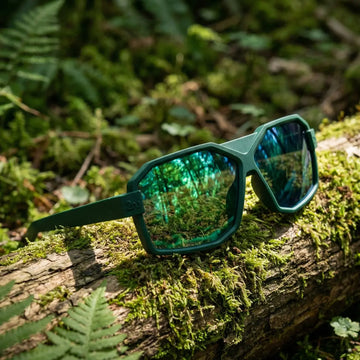
Fairways, rough, trees and soil sit within similar green-brown tones. A green-coated 2nu lens looks green from the outside but gives a violet-red-leaning view through the lens, helping separate grass, ground and shaded detail more clearly.

03How dark should cycling sunglasses be when the road moves between sun and shade?

Choose balanced light control for routes that move between open sun, tree cover, tunnels and cloud. A deeper configuration suits sustained exposed glare, but it should not remove the road texture and obstacle detail you need when the route turns darker.

04Can polarized lenses darken a rangefinder or GPS display?

They can. Screen behaviour varies by display and viewing angle. Hexachroma is the screen-friendlier polarized option and helps reduce common black-out effects, but the result cannot be identical on every rangefinder, GPS, phone or watch.