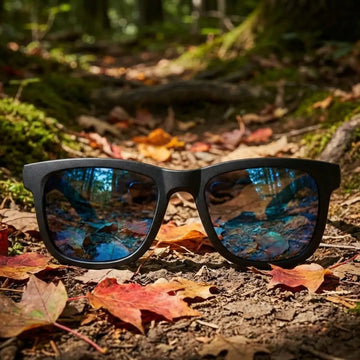
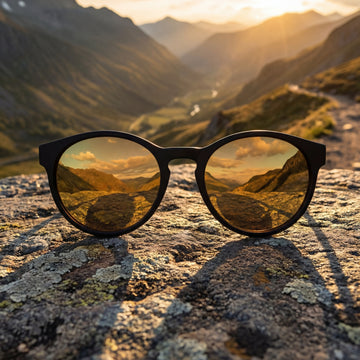
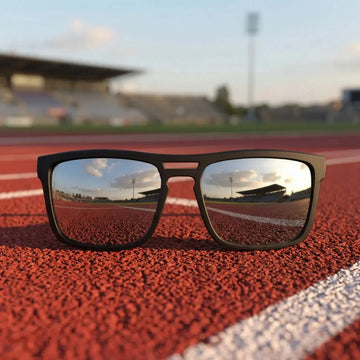
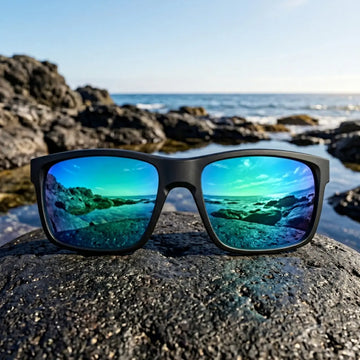
Hiker wearing 2nu sunglasses on a forest trail for the Running and Hiking sunglasses guide.

Your activity match

One pair for running and hiking—steady on roads, clear through changing trail light.

Sweat-stable fit, mixed-light terrain detail, and quick watch or map checks all matter here. Start with Hexachroma when screen readability and trail detail lead the decision, or TVO Pro when hard reflected glare matters most.

  • Running
  • Hiking
Shop your strongest matches

The four issues that matter most across your two activities

We selected two high-priority issues from each activity. Open any card to see how 2nu addresses it.

01

Slipping—or clamping too hard

Sweat and movement can make sunglasses shift. Tightening the temples too much only concentrates pressure around the nose and sides of the head.

How 2nu solves it

FlexFoam™ + FlexLock™

Adjust the soft, lightweight FlexFoam™ frame by hand first. After about five minutes of wear, it settles into a more stable fit around your head shape. Every FlexFoam™ frame includes FlexLock™, an ergonomic wraparound design that distributes holding force around the head instead of concentrating it at the nose and temples.

02

Green and brown merge together

Leaves, soil, tree trunks and trail shadows sit within similar green-brown tones. A lens with a similar colour balance can flatten the terrain into a monotone scene.

How 2nu solves it

Green outside, balanced contrast through the lens

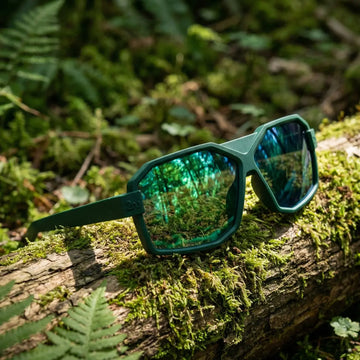
From the outside, the coating looks green; through the lens, the view leans violet-red. This helps separate greens, browns and shadow detail for a more balanced trail view. It applies to all green-coated TVO, TVO Pro and Hexachroma lens options, including green-coated Prescription and Prescription Hexachroma options.

03

Too dark when the route changes

A city run can move from direct sun into building shade, tree cover or cloud. A very deep tint can make darker sections harder to read.

How 2nu solves it

Balanced shade for changing light

For mixed-light routes, 2nu recommends balanced light control rather than simply choosing the darkest lens. Deeper configurations remain useful under sustained intense glare, but mixed-light running needs enough visibility in the shade.

04

From forest shade to an exposed ridge

One trail can move quickly between deep shade and strong open light. A lens that is too dark can hide roots and surface detail under tree cover.

How 2nu solves it

Balance shade and open light

Hiking is not about choosing the darkest lens. 2nu recommends balanced light control based on the amount of tree cover and exposed terrain, keeping open sections comfortable without losing too much detail in the shade.

Checking the strongest available matches.

How we choose

Balanced for Running + Hiking

We compare brightness and changing light, colour and contrast, reflected glare and screen use, and frame performance across both activities—then rank the strongest overall balance.

Running

Stable through movement and comfortable as light changes.

Hiking

Clearer terrain contrast with comfort from sun to shade.

Choose by lens family

Questions before you choose

Use these answers to compare the lens, frame and conditions that matter across your selected activities.

01Should I choose Hexachroma or TVO Pro for running?

Choose Hexachroma when flagship outdoor detail and easier watch, phone or GPS checks matter most. Choose TVO Pro when strong polarized glare control is the main priority. Both provide UV400 protection and suit bright outdoor running.

02Why does 2nu recommend green-coated lenses for hiking?

Hiking scenery is dominated by foliage, soil, trunks and shadows within similar green-brown tones. A green-coated 2nu lens looks green from the outside but gives a violet-red-leaning view through the lens, helping separate greens, browns and shaded trail detail. This colour balance is available across green-coated TVO, TVO Pro, Hexachroma and green-coated prescription options.

03How dark should running sunglasses be for city, cloudy and bright routes?

For routes that move between sun, building shade, tree cover and cloud, choose balanced light control that keeps shadow detail visible. A deeper lens suits consistently bright, exposed routes, but it is not automatically the best choice for mixed-light running.

04How can I check hiking fit and comfort before choosing?

Compare frame coverage and head-fit information in the product callout for long-wear support. On a FlexFoam™ frame, adjust it by hand first, then wear it for about five minutes so FlexLock™ can distribute support around the head instead of concentrating pressure at one point.